

Not so long ago, when it came to buying a new or used car, drivers tended to be very brand loyal.
That could be for a multitude of reasons from how a particular brand of cars drove, their reliability, warranty back up or simply plain old badge snobbery based on historical knowledge or bad experiences. There were, in short, a host of reasons why buyers may favour one brand over another or, more frequently, were dead set against certain badges. But are EVs slowly beginning to erode that loyalty?
In a recent document, the Society of Motor Manufacturers and Traders stated that in 2016, there were just 14 new EVs on sale in showrooms from 12 manufacturers. In 2026, that figure is 170 different EVs from 51 car manufacturers – an incredible rise.
Of course, EVs themselves immediately remove a differentiator in themselves. For starters, they’re obviously all automatics, so any critique of a manual gearbox, good or bad, is removed. The same goes for a conventional automatic as well.
There’s also no comment about whether the engine itself is any good, whether it’s refined or not, noisy or not, economical or not, how it delivers the power to the road, all of those elements have gone. Obviously some EVs remain more efficient than others and there are still some differentiators, but nowhere near as many as with conventional petrol or diesel cars.
Then there’s the manufacturer itself. Tesla has shown that a newcomer can arrive into the sector and be successful and the plethora of new Chinese brands, and others, have shown that it can be done. British drivers were always highly sceptical of new brands – just look at the likes of Infiniti or Daewoo or even Mazda’s Xedos which all disappeared – and yet now new brands are arriving, staying and being successful and at all levels too.
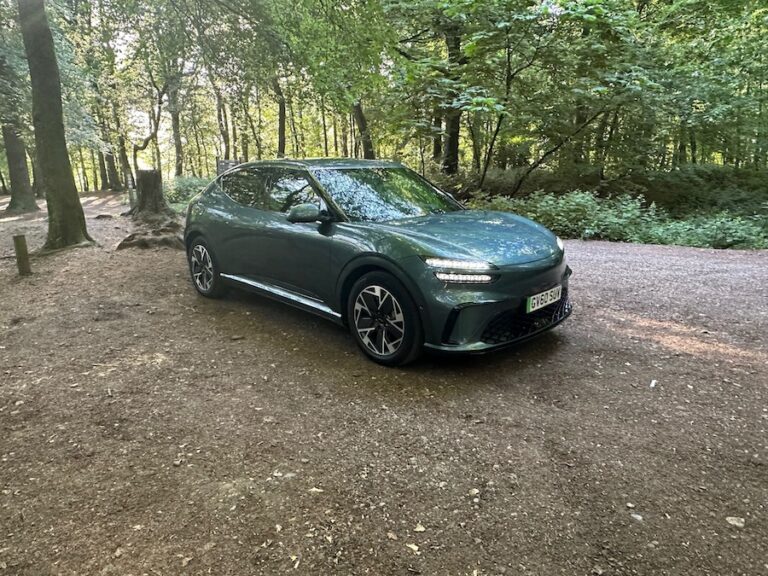
Some of that is due to those Chinese brands but we’ve also seen Genesis arrive and, while initially struggle, it’s now getting a foothold. The same goes for Polestar as well. And both at the premium end of the market. So why is that?
We think it’s because of two main reasons, one new and the other perhaps the oldest lesson in business. First is that because of that lack of differentiators as mentioned earlier, once a person has decided they want an EV or maybe is onto their second EV, then there’s so much more choice. Some of the heritage brands haven’t been as quick to produce EV models as others and therefore have been left behind and, once a driver ventures elsewhere, then they may never return.
And again, because of those lack of differentiators, more and more buyers are perhaps seeing less reason to pay extra for those traditional heritage brands, especially if they offer more equipment for less money.
The second reason is seen with brands such as Aion offering an eight-year warranty on its new V model tested here. Traditionally, those kind of offers were balancing out other shortcomings elsewhere in a particular car, but with the Aion V that’s just not the case. Again, if you can get those traditional values of peace of mind and old-fashioned good customer service in a package that’s well made and offers everything you need, why do you need to go elsewhere?
What does that mean for those traditional brands? Unfortunately for car enthusiasts, it’s likely to mean that some of them might struggle to survive in the UK market. And, unless they can start competing at a higher level of quality and with better cars soon, with brand loyalty slowly disappearing, the automotive history books could see more brands disappear from UK roads before too long.